Projects @ the Lab
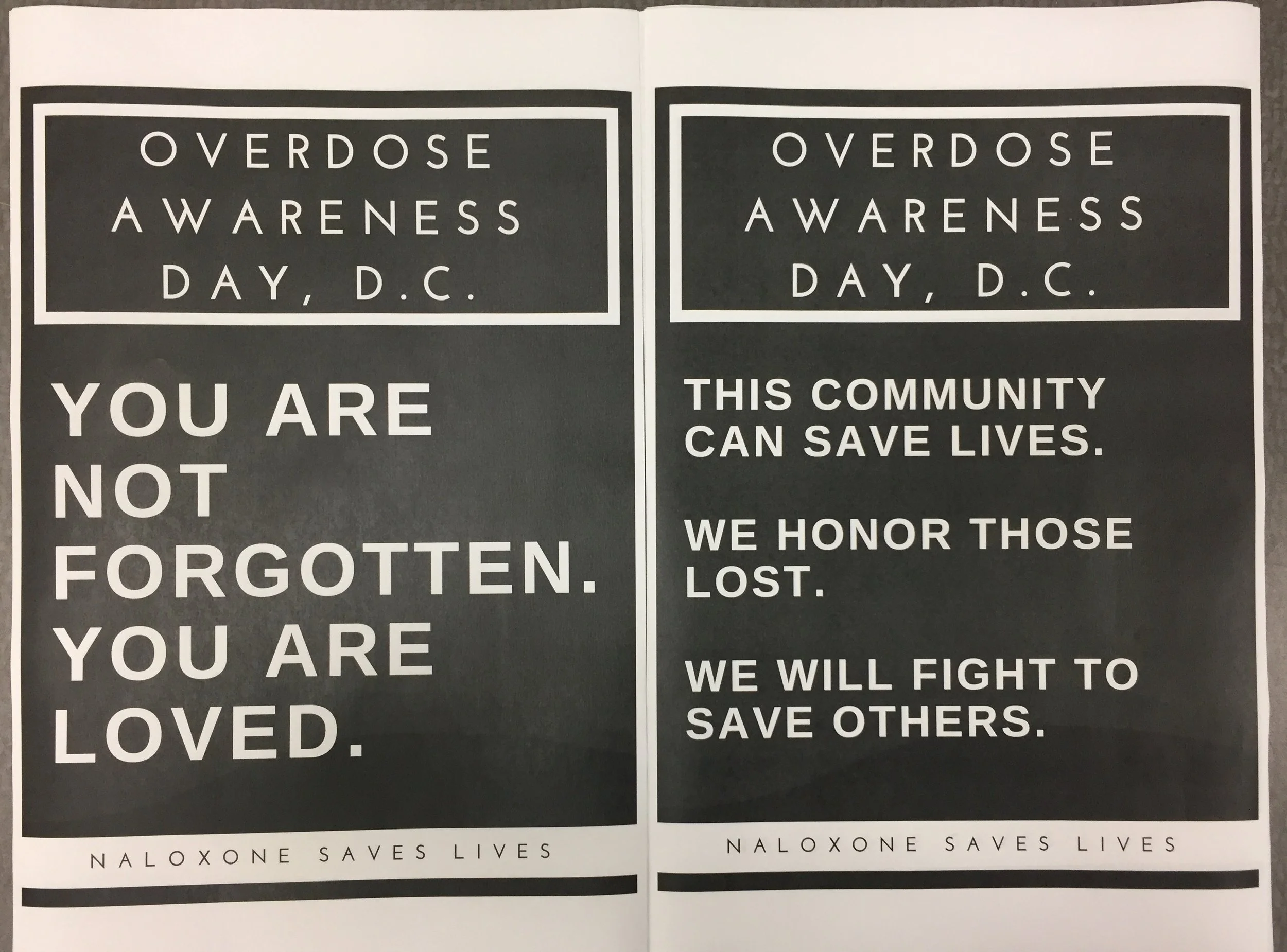
The overdose crisis in washington, DC
A decade-long longitudinal ethnographic study of the overdose crisis and overdose death in DC that spans the local escalation of the crisis, the appearance of fentanyl, and ongoing community-based responses to a mass death event in the city. In this project, Dr. Lopez contextualizes the overdose crisis in DC within longer legacies of social exclusion and a politics of what she calls “necropolitical warmaking” — a series of structural forces directed at marginalized and racialized populations in DC.
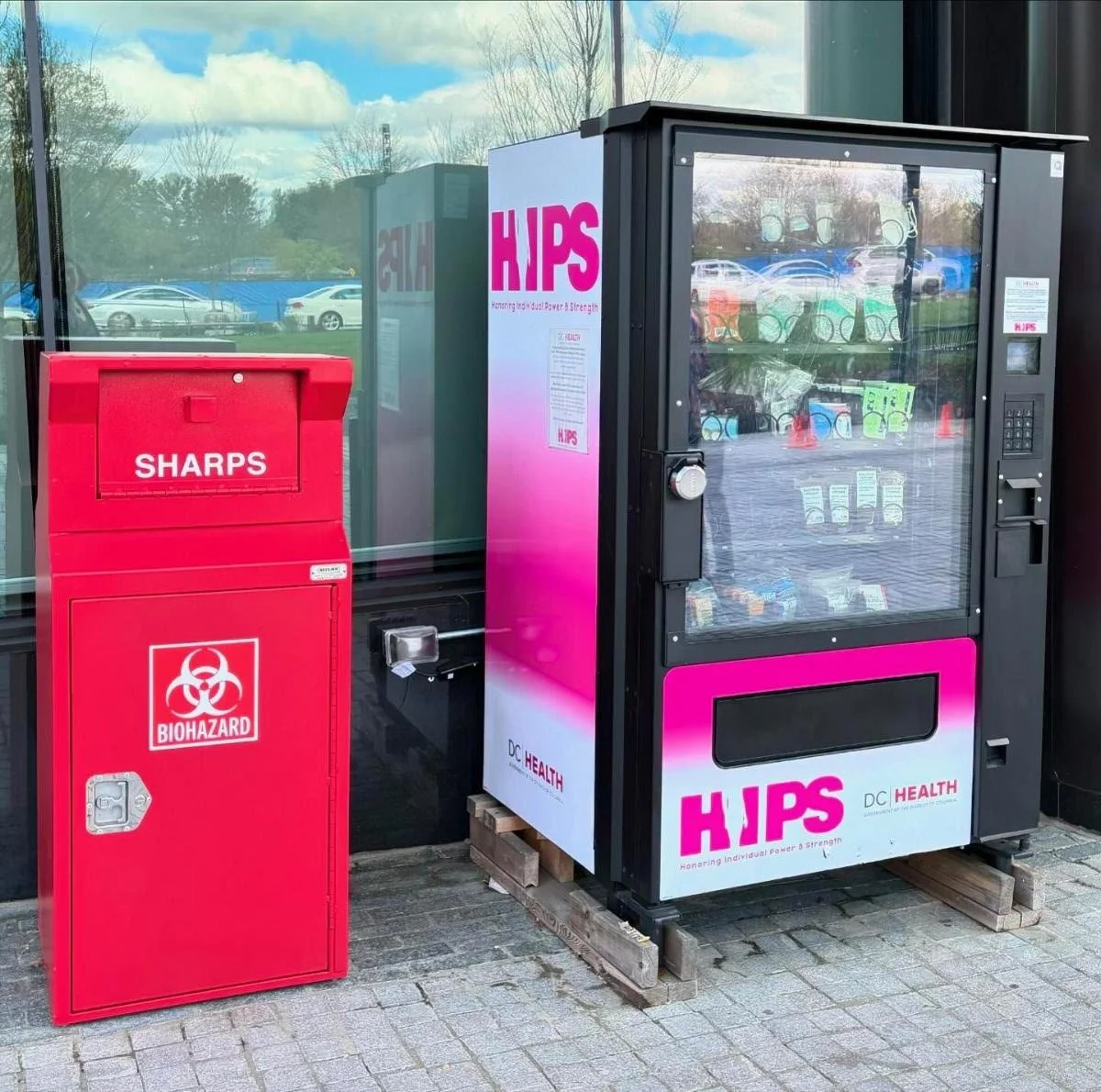
Overdose Prevention Vending Machines in Washington, DC
A longitudinal study examining the implementation of overdose prevention vending machines in DC neighborhoods impacted by overdose and other harms. This project is conducted in collaboration with the community-based organization, HIPS.
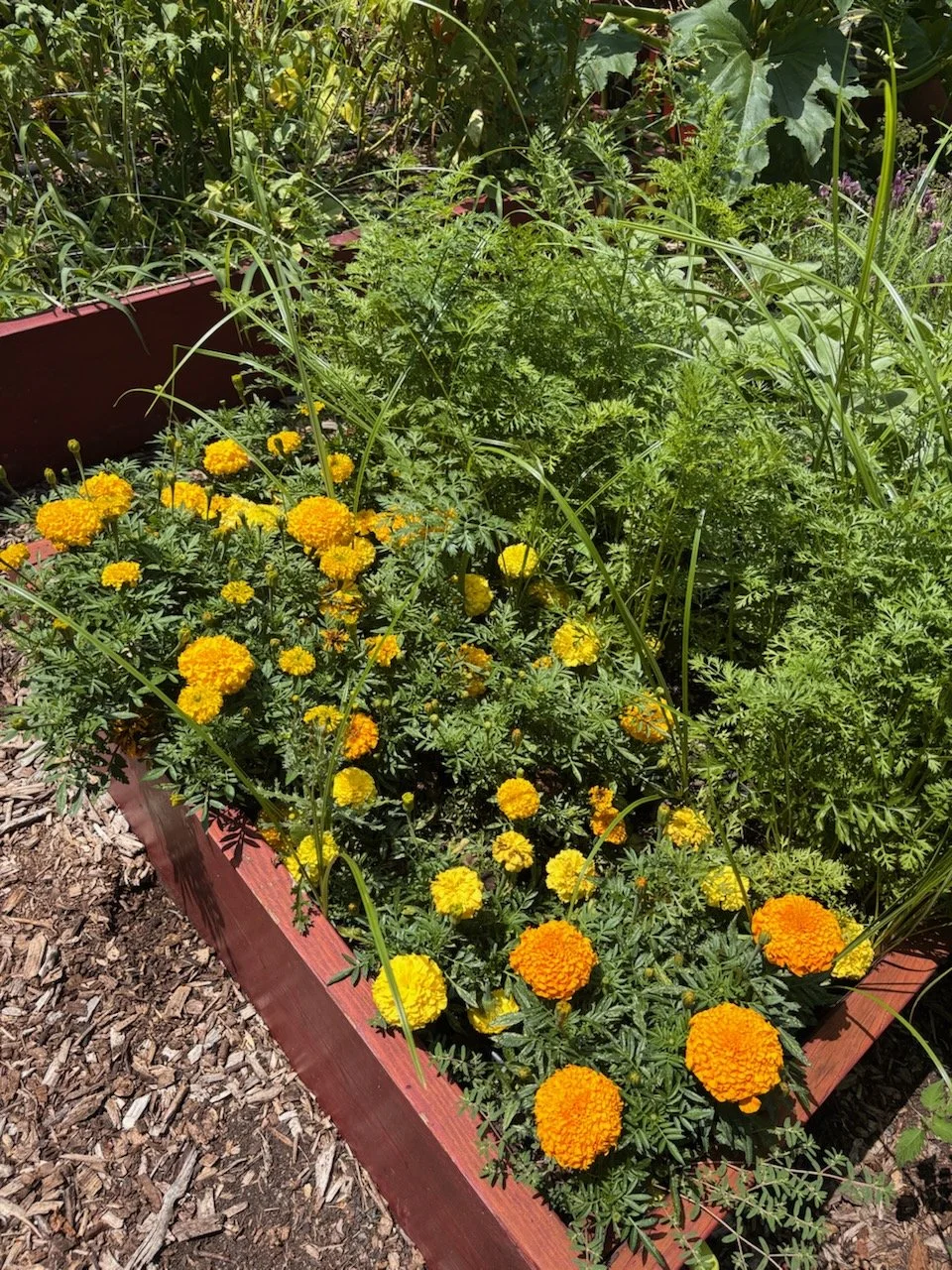
A study ethnographically examining the work of land/plant medicine and healing practitioners from Black, Indigenous and other communities of color from the DC and Baltimore Metro areas. The goal is to center their work in how we understand the emerging evidence-based for nature-based/green space interventions for health and mental health, and the potential to use these strategies within harm reduction spaces. The study focuses on how these practitioners center attention to structural harms and structural healing in their work.
the P.L.A.N.T Study - People, Legacy, And Nurturing Together
Ethnography In Peer Behavioral Activation Utilization to Improve Substance Use and HIV Outcomes in People Receiving Long Acting Injectable-PrEP/ART
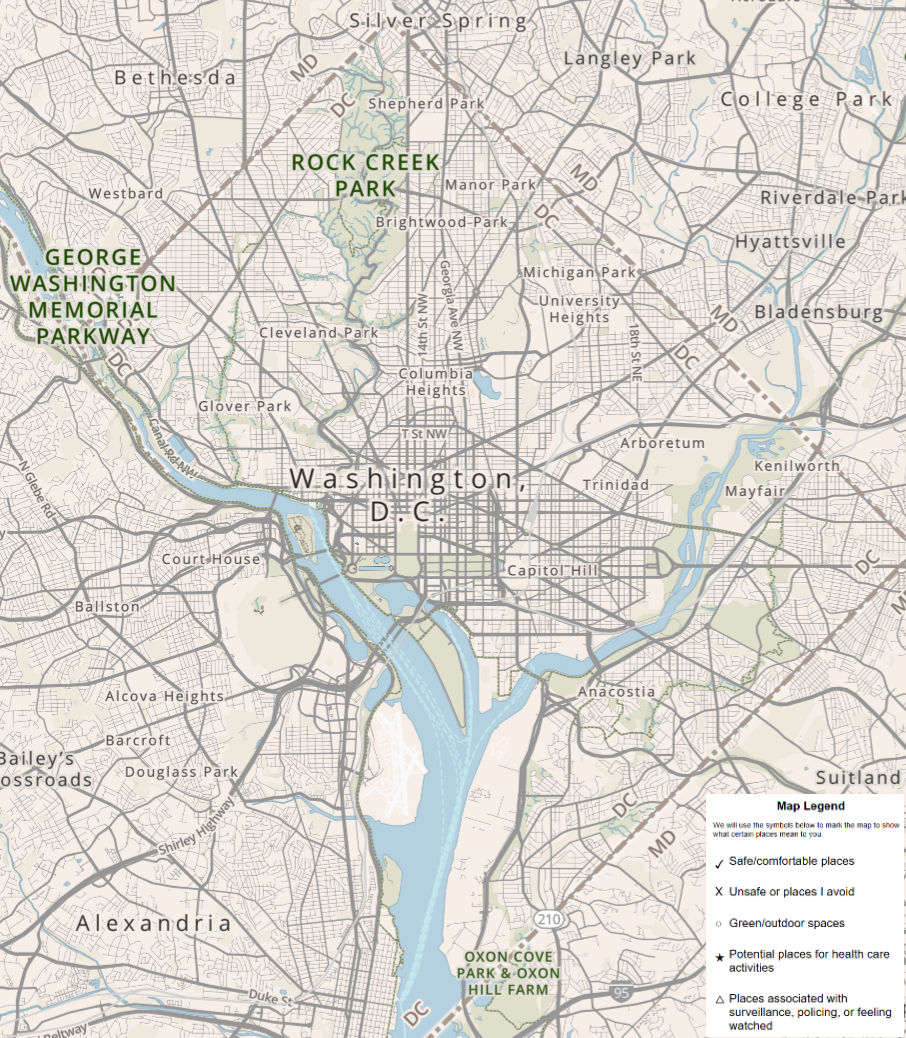
An ethnographic substudy conducted in Washington, DC connected to the NIH/NIDA R01 randomized Type 1 hybrid effectiveness-implementation trial to test the effectiveness and implementation of Peer Activate for Long Acting Injectable PrEP/ART led by Drs. Elana Rosenthal at UMB and Jessica Magidson at CESAR UMD. The ethnographic study aims to capture the lived experience of patients as they navigate socio-spatial environments that impact how they are able to access care.
In this qualitative study, we collaborate with partners Dr. Sarah Kattakuzhy (UMB) and Dr. Jessica Magidson (UMD) to examine the experiences of people who have lived or living experiences with drug use and their perspectives on treatment access and care experiences in rural Maryland.
ARTEMIS: Advancing addiction research and treatment through engagement with rural marylanders impacted by polysubstance use
IN-PLACE: The Interdisciplinary Network for Place-Based Learning, Action, & Community-Engaged EnvironMental Health
IN-PLACE is an Institutional Grand Challenge Grant that brings together diverse interdisciplinary perspectives and community partnerships to address three grand challenges—global mental health, health equity, and environmental health— that are inextricably linked. IN-PLACE focuses on nature-based experiences, environments, and interventions as the mechanisms for targeting these synergistic grand challenges. Dr. Lopez is a Co-PI on the Research Core of IN-PLACE, where she focuses on developing high-impact research focused on health equity and how nature-based programming might need to be adapted for populations experiencing housing instability and criminalization/surveillance.
SEADS- The statewide Ethnographic Study of drug use & Services
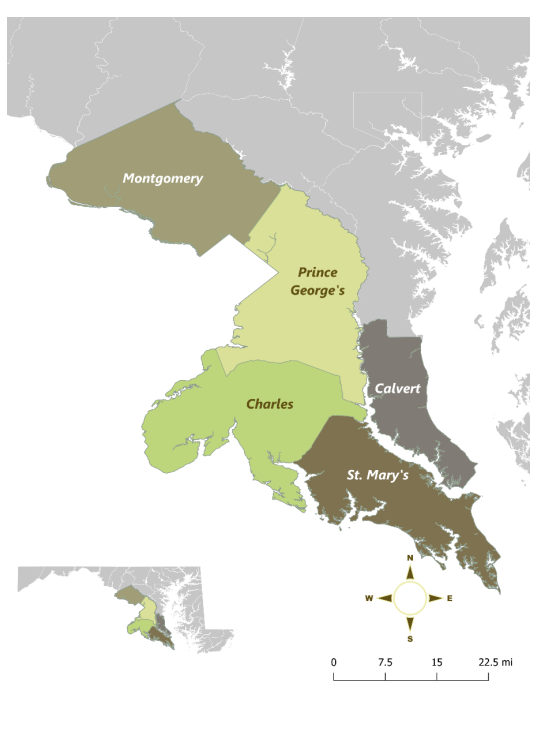
The Statewide Ethnographic Assessment of Drug Use and Services (SEADS) Project was a statewide assessment in Maryland designed to characterize the experiences of people who use drugs in every county and assess the potential for expansion of harm reduction services. Our UMD team worked in 5 counties - in the DC Metro and Southern Maryland Regions.